

Nature friendly farming
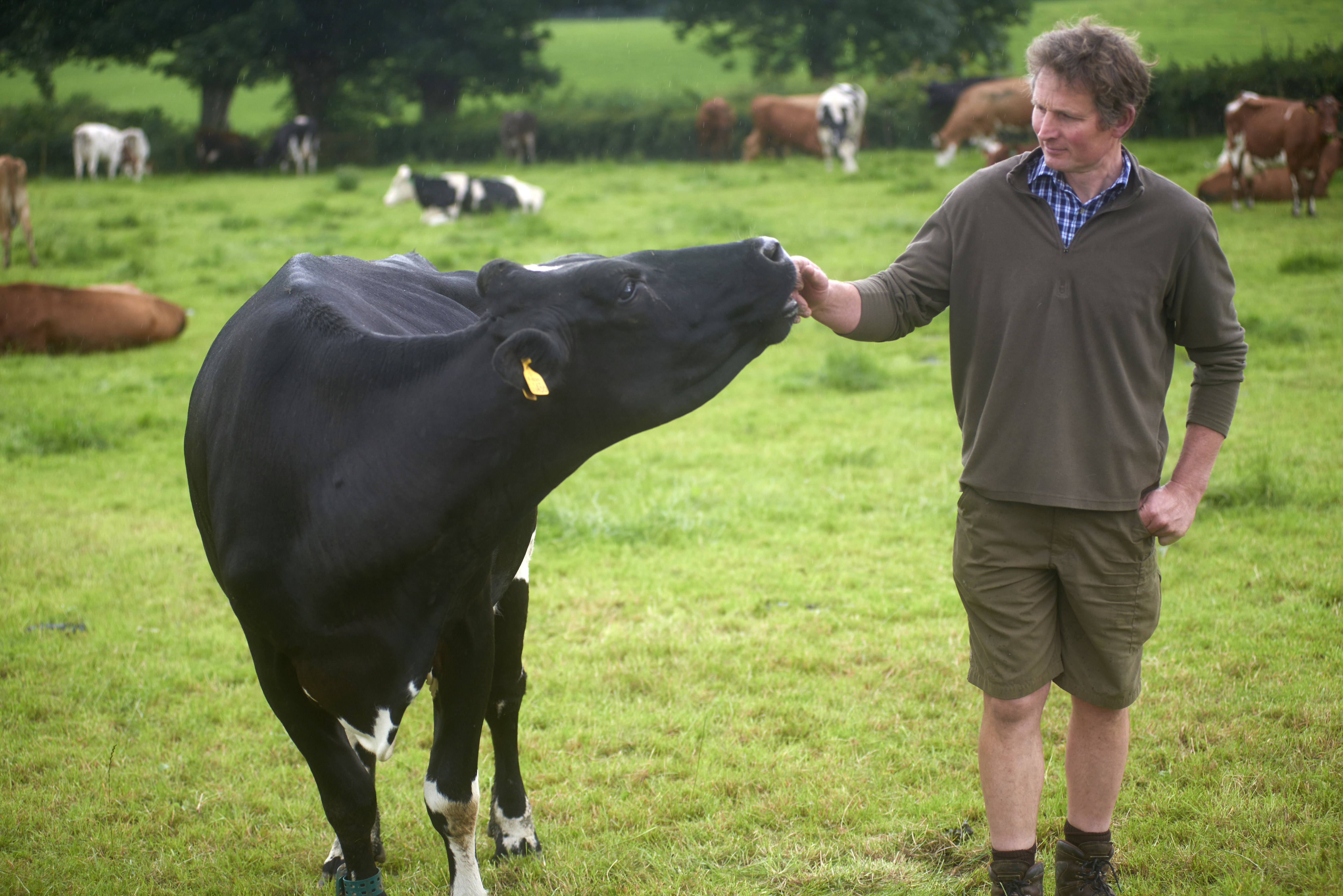
Low Sizergh is a nature-friendly farm, certified as organic by The Soil Association. Farmer Richard Park undertook training in holistic management and is a member of the Nature Friendly Farming Network , which brings together farmers who champion a way of farming that’s both sustainable and good for nature. Our countryside should be productive and bursting with wildlife and that’s something we are proud to be part of. Below, Richard lays out the issues that he is addressing through natural farming practice…
We’ve long been part of stewardship farming schemes, which encouraged nature round the edges of our land and we have been successful with our hedges, walls, coppices and pond – all of which provide fantastic natural habitats. But nature doesn’t fit our human desire for zones and areas (“nature doesn’t do monocultures”) so the success is self-limiting.
For instance, our fields of ryegrass, although very productive when fed with nitrogen fertilizer and an occasional spray of herbicide to prevent the encroachment of unwanted plants or weeds, are effectively green desert environments. For nature to thrive near them is impossible, and they are a great opportunity for invading plants or fungal diseases as no competition exists.
We recognise the principle that the more complex and diverse the environment, the more opportunities there are for interactions between animals, plants, and soil bacteria microbes.
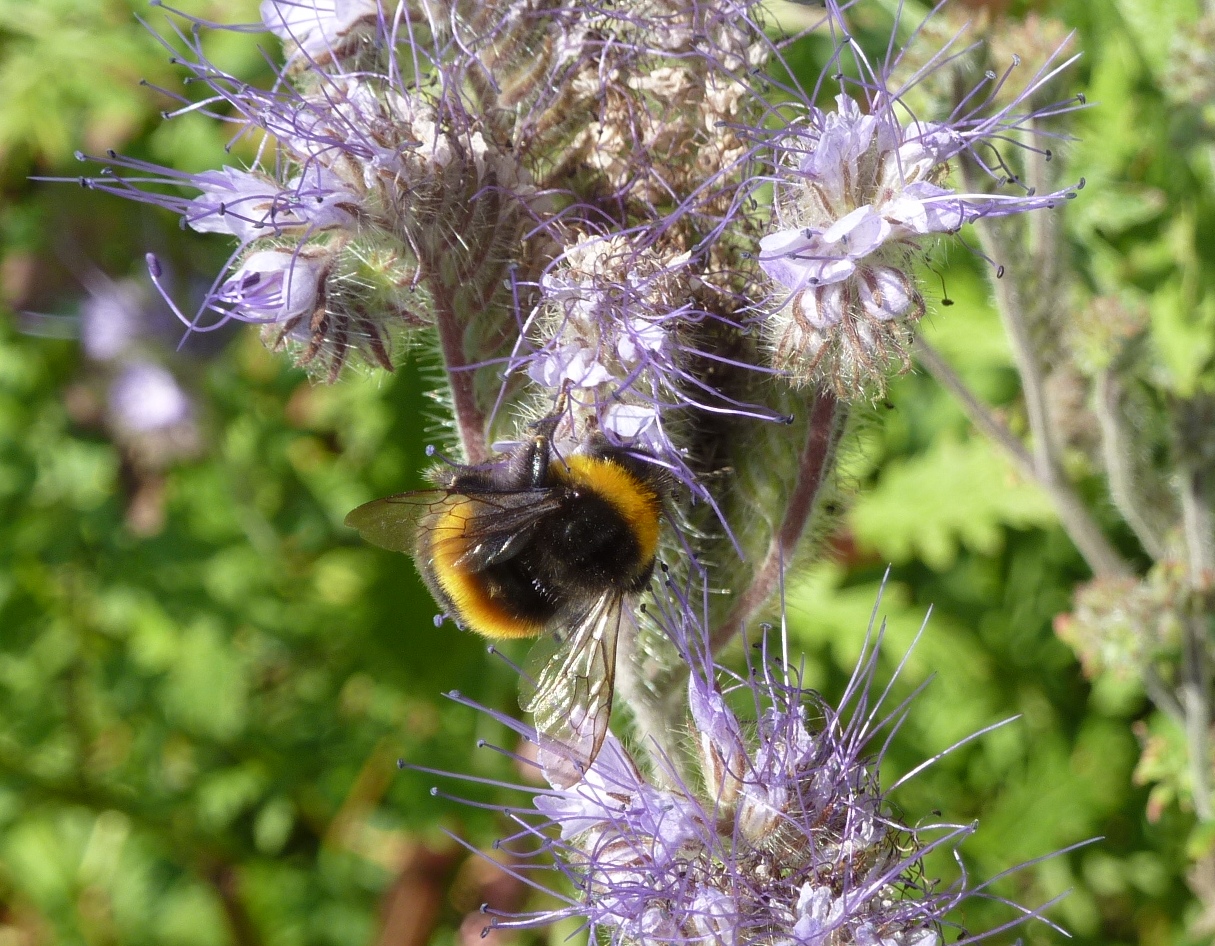
Trying to maintain a monoculture of only grasses with perhaps clover is possible in our climate, but having more diversity will actually make it easier to manage our land and our crop. A range of grasses, clovers and herbs makes it more difficult for other unwanted plants to reach levels that are a problem. Also, a range of plants drawing minerals at different rooting depths helps drainage and tolerates extreme wet and dry weather.

I have introduced different grasses, clovers and herbs into both grazing and cutting areas – mainly through over-seeding and grazing management. I have combined my rotational grazing system and holistic planned grazing for the dairy cows, calves and sheep by having longer rest periods between grazings.
I measure progress through a relatively simple system I learned in the holistic management training I undertook through the Savory Institute.
Our base year assessment looks at a range of eight measurements including bare ground, capping, grasses and forbs (herbaceous flowering plants in pasture). We carry out this check annually and look forward to reporting improvements in each of them; all have been shown to benefit flora and fauna.
By using holistic management, we can also favour particular plant or animal habitats by altering the management of an area – I believe that’s an excellent tool to have in the farming box.